


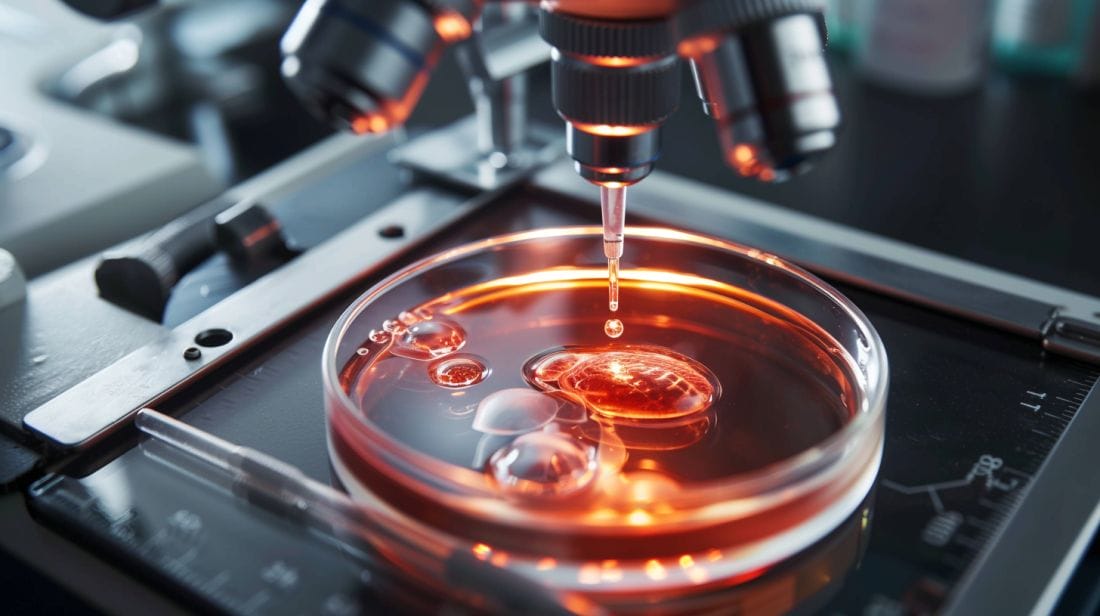
Preimplantation Genetic Testing
Preimplantation genetic testing (PGT) is an advanced procedure used in in vitro fertilization (IVF) to detect genetic abnormalities in embryos before their implantation. It greatly aids the prevention of genetic disorders, empowering couples with proactive choices. However, the method’s accuracy and the emotional implications for parents vary, and there are ethical concerns, such as the potential for ‘designer babies‘. Globally, accessibility to PGT is inconsistent, largely due to cost and insurance coverage disparities. Understanding the broader implications, benefits, and drawbacks of PGT can prove enlightening for potential users and stakeholders.
Key Takeaways
- Preimplantation Genetic Testing (PGT) identifies genetic anomalies in embryos using advanced molecular biology techniques.
- PGT can help prevent genetic diseases and its global adoption is growing, despite controversies around trait selection.
- The process involves egg and sperm retrieval, followed by examination of embryos for genetic abnormalities.
- The effectiveness of PGT varies and doesn’t guarantee a healthy pregnancy, with testing accuracy and clinical limitations as ongoing concerns.
- Ethical issues include the creation of ‘designer babies’, genetic privacy, and the importance of informed consent.
Understanding Preimplantation Genetic Testing
Preimplantation genetic testing (PGT), a highly advanced medical procedure, offers a profound understanding of genetic disorders that could potentially be passed onto offspring. The success rates of PGT vary, typically contingent upon factors such as the age and health of the parents. Understanding these success rates is important in patient selection, underscoring the need for thorough pre-procedure counseling.
The emotional implications of PGT cannot be ignored. The anticipation linked to the procedure’s outcome often results in significant psychological stress. Therefore, counseling plays a key role, offering much-needed support to couples, ensuring they are mentally prepared for all potential outcomes.
While PGT has proven beneficial in diagnosing genetic disorders at an embryonic stage, it’s essential to consider alternatives. Other methodologies, like prenatal testing and newborn screening, albeit different regarding timelines and techniques, can offer similar information.
Patient selection for PGT is a rigorous process. Factors like family history of genetic disorders, previous unsuccessful pregnancies, and maternal age are usually considered. This selection process, combined with counseling, success rates, and emotional implications, forms the complex landscape of understanding preimplantation genetic testing.
The Science Behind PGT
Delving into the intricacies of PGT, it becomes evident that the procedure’s foundation lies in sophisticated molecular biology techniques. The essence of PGT is the detection of genetic anomalies in embryos before implantation. This is achieved through advancements in scientific understanding and technology, which allow for precise genetic profiling.
PGT advancements have been instrumental in revolutionizing the field of reproductive medicine. By identifying genetic anomalies, these advancements provide a pathway for embryo selection, helping to increase the likelihood of a healthy pregnancy. However, this process is not without its controversies. The use of PGT to select for specific traits, beyond disease prevention, is a topic of ongoing ethical debate.
Patient experiences with PGT vary widely. For some, the process offers a beacon of hope in their quest for a healthy child. For others, the potential for a negative outcome and the emotional toll of this highly personal decision can be overwhelming.
Steps Involved in PGT
To comprehend the profound impact of PGT on reproductive medicine, it is important to understand the meticulous steps involved in this innovative procedure. The first stage includes retrieval of eggs and sperm, followed by in vitro fertilization (IVF) to create embryos. Next, the PGT techniques are employed to examine the embryos for any genetic abnormalities.
The emotional impact of undergoing PGT can be significant, given the high stakes nature of the process. Patients often face anxiety over the success rates of the procedure, which can be influenced by various fertility factors such as age and overall health.
Counselling support is an essential part of PGT, providing emotional reassurance and guidance for patients on the journey. Genetic counsellors can explain the implications of the results, so patients can make informed decisions about their next steps.
It is critical to note that while PGT offers a higher chance of a healthy pregnancy, it does not guarantee it. Success rates are not absolute, and depend on a variety of factors. Nonetheless, PGT has transformed reproductive medicine, providing a powerful tool for couples seeking to avoid passing on genetic disorders to their offspring.
Benefits of Preimplantation Genetic Testing
Harnessing the power of preimplantation genetic testing can yield significant benefits for couples maneuvering through the complex world of assisted reproduction. One of the most compelling advantages lies in the elevated PGT success rates. By screening embryos for genetic disorders before implantation, PGT enhances the likelihood of a healthy pregnancy, reducing the emotional and financial toll of repeated failed attempts.
The PGT psychological impacts cannot be overstated. Knowledge gained from PGT can provide peace of mind to prospective parents at risk of transmitting genetic conditions, reducing anxiety associated with uncertainty. This pre-emptive approach also facilitates informed decision-making, enabling couples to prepare for potential challenges.
Insurance coverage for PGT varies globally, but its increasing recognition as an important part of fertility treatment augurs well for future policies. PGT’s global adoption is on the rise, a confirmation of its proven effectiveness and the growing acknowledgement of its potential in preventing genetic diseases.
As for future PGT innovations, advancements in genomic technology promise to refine the accuracy of PGT, potentially expanding its scope to detect a wider range of genetic anomalies. This continual evolution of PGT underscores its significant role in the field of assisted reproduction, heralding a future of enhanced reproductive health.
Potential Risks and Limitations
While preimplantation genetic testing offers numerous benefits, it is important to bear in mind its potential risks and limitations. Foremost among these is the issue of testing accuracy. Despite advances in the field, there remains a small chance of false-positive or false-negative results, which could lead to unnecessary distress or suboptimal clinical decisions.
The emotional impacts of PGT should not be underestimated. Discovering potential genetic risks can be a profound emotional burden for prospective parents, leading to stress and anxiety.
There are also potential legal implications. In some jurisdictions, the use of PGT raises questions about the legal status of embryos and the extent of parental rights and obligations.
Misinterpretation risks are another concern. Patients may misunderstand or misinterpret genetic results, leading to inappropriate decisions.
Lastly, there are clinical limitations to take into account. PGT cannot detect all genetic or chromosomal abnormalities, and its effectiveness can be influenced by a variety of factors, including the quality of the embryos and the techniques used in the laboratory.
PGT for Genetic Disorders
Despite the aforementioned risks and limitations, preimplantation genetic testing (PGT) stands as a powerful tool in the early identification and prevention of inherited genetic disorders. The importance of carrier screening in detecting potential genetic anomalies cannot be underestimated. It offers prospective parents the chance to learn if they carry genes for certain disorders, which could be passed on to their offspring.
PGT success rates have improved in recent years, offering hope to families with a history of genetic disorders. Despite these advances, alternative testing methods like preimplantation genetic diagnosis (PGD) are also crucial to contemplate. PGT and PGD, while similar, have distinct roles. PGT identifies embryos at risk, while PGD diagnoses genetic conditions in embryos before implantation.
The emotional impact of PGT is significant. It provides invaluable information that can help alleviate the anxiety associated with passing on genetic disorders. However, the process can also be emotionally draining as potential parents navigate the complex world of genetics. Overall, PGT offers a proactive approach for those at risk of passing on genetic disorders, proving its value in reproductive medicine.
Cost and Accessibility of PGT
Considering the potential benefits of PGT, it is vital to examine its cost and accessibility, two key factors that can greatly impact its utilization among prospective parents. Unfortunately, the expense associated with PGT is a significant barrier for many, with costs often not covered by insurance. This lack of insurance coverage can limit the accessibility of PGT to those with adequate financial resources.
Global disparities in the availability and affordability of PGT further exacerbate this issue. Developed nations tend to have more established PGT programs, while developing nations struggle to provide these services due to socio-economic constraints. This socio-economic impact widens the gap between those who can afford PGT and those who cannot.
To mitigate this, affordability strategies such as tiered pricing models, reducing overhead costs, and streamlining procedures can be implemented. Additionally, financial assistance programs are available to help eligible individuals cover the cost of PGT. These programs offer hope for many who otherwise could not afford PGT. However, more extensive efforts are required to address the global disparities in PGT access and to ensure its benefits are available to all, irrespective of their economic status.
Ethical Considerations in PGT
Beyond the financial and accessibility issues, preimplantation genetic testing also raises a plethora of complex ethical questions that warrant thoughtful analysis. The first moral dilemma revolves around the creation of ‘designer babies.’ The fear is that parents could potentially exploit PGT to select for non-medical traits such as height, eye color, or intelligence, leading to a form of genetic enhancement.
Another issue pertains to genetic privacy. With PGT, there’s a risk of unwanted disclosure of genetic information, potentially exposing individuals to discrimination risks. This could arise in different contexts, including employment or insurance.
Informed consent is another ethical cornerstone. For PGT to be ethically acceptable, it’s essential that individuals fully understand the implications of the test, including its limitations and potential outcomes. Without informed consent, there’s a risk of undue harm or exploitation.
Conclusion
Why Choose NorthIVF?
In concluding, Preimplantation Genetic Testing (PGT) stands out as a pivotal advancement in the realm of reproductive technologies, equipping prospective parents with crucial insights about their embryos. This innovative approach not only heralds numerous benefits but also navigates through the complexities of potential risks and ethical dilemmas. Despite the challenges of accessibility and affordability, PGT’s significance cannot be understated in its role in reducing the prevalence of genetic disorders in future generations.
At NorthIVF, nestled in the serene environment of Nicosia, North Cyprus, we pride ourselves on being at the forefront of offering this remarkable technology. Our clinic is renowned for its serene setting and the unparalleled expertise of Cyprus’s leading fertility specialists. With our extensive experience and dedication, we are committed to making your journey towards parenthood a reality.
Our facility boasts state-of-the-art laboratories, enabling us to provide a comprehensive array of IVF treatments, including the latest in PGT. Our commitment to excellence is matched by our dedication to making these services accessible. We offer a variety of affordable IVF packages, ensuring that cutting-edge fertility solutions are within reach for all.
At NorthIVF, we are not just about offering treatments; we are about creating families. Let us help you minimize the risk of genetic disorders and step confidently towards fulfilling your dream of parenthood.
Why Choose NorthIVF
At NorthIVF, nestled in the serene surroundings of Nicosia, North Cyprus, we understand the complexities involved in making such a critical decision. Our clinic is renowned for its exceptional IVF treatment services, provided by some of the most experienced fertility specialists in Cyprus. Our state-of-the-art laboratories are equipped with the latest technology, enabling us to offer a comprehensive range of IVF treatments.
We are committed to making these advanced services accessible, offering cost-effective IVF packages to suit every budget. At NorthIVF, we are dedicated to supporting you through every step of your journey, ensuring that you make informed choices with a sense of confidence and peace.
- Personalized IVF Plans
- Cutting-Edge Technology
- Experienced IVF Specialists
- Holistic Support
- High Success Rates
- Confidential Consultations




 English (United States)
  Arabic
  Bulgarian
  French
  German
  Greek
Greek  Italian
  Russian
  Spanish
  Turkish